
Oak, Pine or Ash? Choosing the Right Wood for Handmade Furniture
Oak, pine and ash compared on hardness, cost, grain and workability, with practical guidance on matching each timber to the right project.
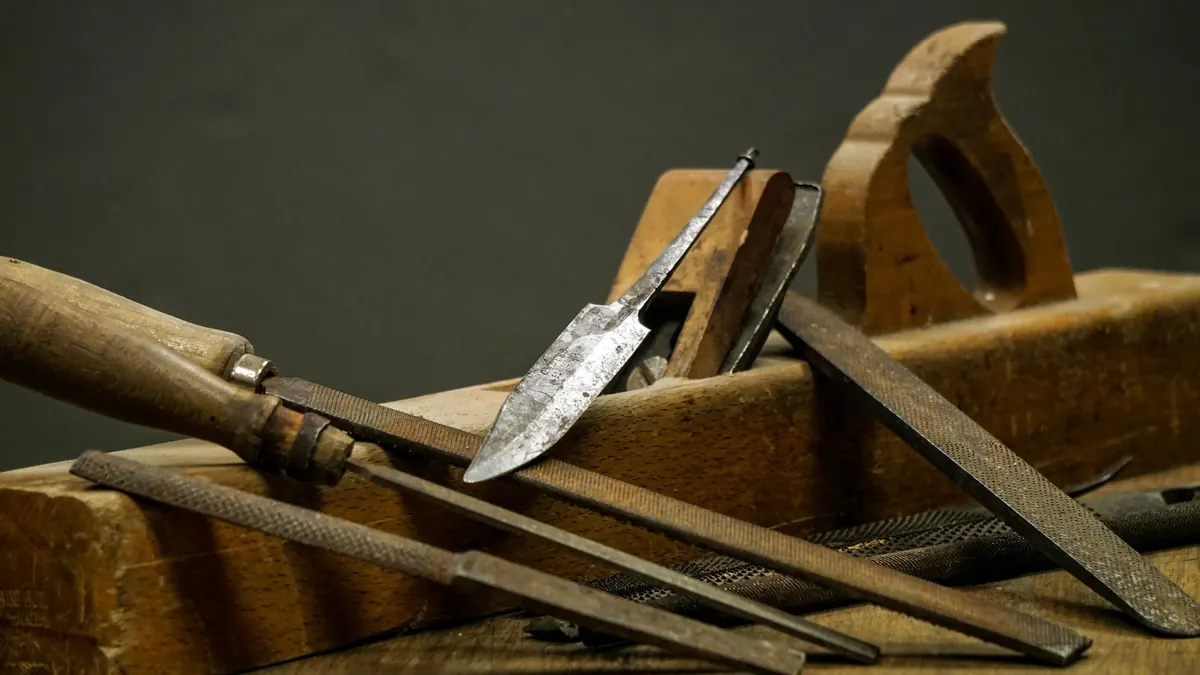
Walk into any timber merchant with a project in mind and you will meet the same three names: oak, pine and ash. They dominate the racks for good reason. All three are widely available, reasonably forgiving and pleasant to work with, which makes them sensible starting points for furniture rather than exotic experiments. The differences between them, though, matter far more than the shared shelf space suggests.
Pick the wrong one and you will feel it at every stage. A soft timber dents under a chisel. A hard one blunts your plane irons in minutes. A cheap board becomes an expensive mistake once you have spent three weekends on it. So before you buy, it helps to know what each timber actually does well.
Hardness: What Your Furniture Has to Survive
Hardness determines how a timber copes with daily life. Keys dropped on a bedside table, a chair scraped across a floor, a mug set down with more force than intended. Soft timbers record all of it.
Pine sits firmly at the soft end. It dents and scratches readily, and a careless knock with a hammer leaves a bruise you cannot sand out. That softness cuts both ways: it is easy to shape and easy to damage. For a bookshelf or a chest that mostly sits still, this rarely matters. For a dining table that will host decades of family meals, it does.
Oak and ash are both hard, dense timbers. Oak has a slight edge in hardness and wears beautifully, developing a patina rather than looking tired. Ash is famously springy and shock-resistant, which is why tool handles and sports equipment have used it for generations. For furniture, that resilience makes ash an excellent choice for chairs, benches and anything likely to take a knock.
Cost: Where Your Money Actually Goes
Pine is the cheapest of the three by a comfortable margin, and that is not simply because it grows quickly. It also comes in narrower boards, is often knotty, and frequently arrives as construction-grade stock you would not want on show. Furniture-grade pine, clear of knots and properly dried, costs noticeably more, though still less than the hardwoods.
Oak and ash sit closer together, with oak usually the pricier of the two because of demand and slower growth. Board thickness matters enormously here. A thick, wide, clear oak board can cost several times what a narrow ash board of the same volume costs, so design around the stock you can actually find.
A useful habit: buy your hardwood one project ahead. Timber bought in a hurry is timber bought badly, and offcuts from a larger order often pay for the next small build.
Grain and Appearance
This is where personal taste takes over, but the practical differences are real.
- Oak: Bold, open grain with pronounced rays when quarter-sawn. Distinctive medullary rays give a silvery figure that catches light. Darkens over time toward a warm honey-brown. Heavy to move; you will notice the weight in a large tabletop.
- Pine: Straight, gentle grain with knots, swirls and occasional resin pockets. Pale and creamy when fresh, it yellows considerably with age and light. Knots can be a design feature or a nuisance, depending on the piece.
- Ash: Strong, straight grain with a lively figure, paler than oak and slightly cooler in tone. It takes stains and finishes evenly, which makes it a favourite when you want a specific colour rather than the timber's own.
Workability: What Happens at the Bench
If you are new to hand tools, pine will teach you more per pound spent than any other timber. It planes easily, takes nails and screws without fuss, and responds well to sanding. The catch is that it tears out around knots and can crush under clamps if you over-tighten.
Oak is the opposite experience. Sharp edges are non-negotiable. A dull plane will skate, burnish and tear the surface rather than cut it, and the tannic acid in oak corrodes steel tools left in contact with damp shavings. Wipe down your bench at the end of a session. Oak glues well, takes screws reliably and holds a joint with real authority, but it demands patience and a decent sharpening routine.
Ash sits between the two, leaning toward oak. It machines cleanly, bends well with steam, and takes a crisp edge on end grain. The straight grain means fewer surprises, though the open pores need filling if you want a glass-smooth finish.
Quick comparison
- Hardness: Oak hardest, ash close behind, pine far softer.
- Cost: Pine cheapest, ash mid-range, oak dearest.
- Grain: Oak boldest, ash palest and straightest, pine most variable.
- Workability: Pine easiest, ash straightforward, oak demanding.
Matching Timber to Project
For shelving, simple storage, painted furniture and anything you intend to cover with a finish anyway, pine does the job at a price that leaves room for mistakes. Pine also suits rustic and farmhouse styles where knots read as character rather than defect. If you are painting a piece, paying oak prices is wasted money.
Oak earns its cost on pieces meant to last generations: dining tables, sideboards, bed frames, workbenches. It is also the timber to choose when the wood itself should be the feature, finished with oil or a clear coat and left to age.
Ash shines where strength and springiness matter. Chairs, stools, bench frames and anything with thin sections under load will be better in ash than pine, and lighter than oak for the same job. It is also the better option when you want to dye or ebonise a piece, since its pale, straight grain takes colour predictably.
A Practical Way to Decide
Start with the question of abuse. Will this piece be knocked, dragged, sat on or used daily? If yes, choose oak or ash. If it will sit quietly and you are happy to repair the odd dent, pine will save you money and frustration.
Then ask about finish. If you are painting or staining heavily, buy the cheaper timber and spend the difference on better hardware. If the grain will show, buy the timber whose grain you actually want to look at.
Finally, handle the stock before you commit. Pick up a board, run your hand along it, check for twist, cupping and splits, and ask whether it has been properly dried. A flat, dry board of modest species will always outperform a warped board of a grander one. Buy from a merchant who lets you sort through the rack, and take your time doing it. The hour you spend choosing is the cheapest hour in the whole build.
Photo: FFD Restorations / Pexels