
Knitting with British Wool: A Guide to UK Sheep Breeds and Their Yarn
A breed-by-breed guide to British wool, from lustrous Bluefaced Leicester to springy Shetland, with practical advice on choosing yarn for each project.
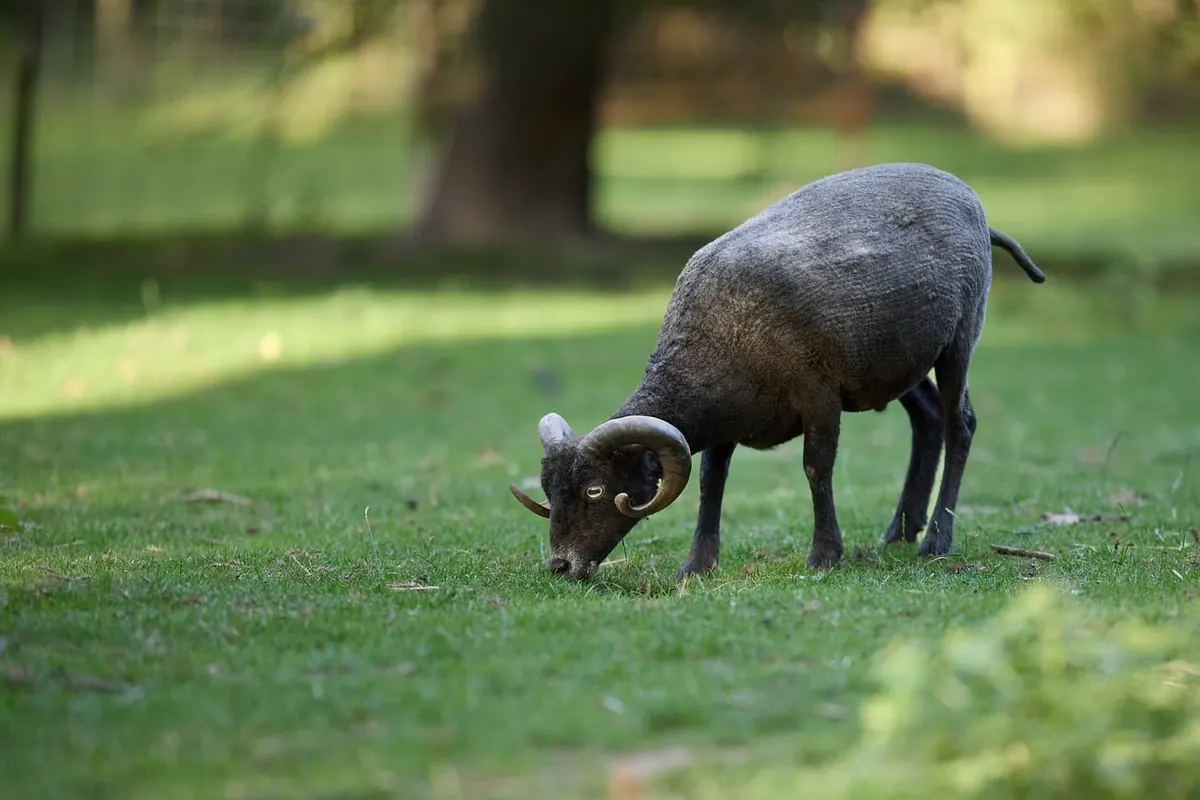
British wool has an image problem, and it is undeserved. For decades the fleece from our hill breeds was treated as a by-product — sold cheap, shipped abroad, turned into carpet — while knitters reached for soft imported merino and assumed anything grown on these islands would prickle. The truth is far more interesting. From the long-stapled lustre of a Bluefaced Leicester to the springy, haloed softness of Shetland, British fleece covers an enormous range. Once you know which breed does what, choosing yarn for a project becomes much less of a gamble.
Why British fleece behaves the way it does
We have dozens of native sheep breeds here, and each one was shaped by the ground it grazed. Upland breeds such as Herdwick and Swaledale developed tough, weather-resistant fleeces because their job was surviving on exposed hillsides. Lowland and hill-cross breeds were selected for finer fibre and heavier fleece weights. That history is written into the yarn you buy today: fibre diameter decides whether a wool feels soft or robust against your skin, and staple length decides how well it holds together.
The other half of the story is how the fibre is spun, which matters just as much as the breed. Worsted spun yarn is combed so the fibres lie parallel: smooth, strong, crisp stitch definition, more drape, less fuzz. Woollen spun yarn is carded and spun with the fibres going in all directions, trapping air: lighter for its warmth, springier, with a soft halo and softer stitch definition. The same breed can turn up in either form, so read the label rather than assuming.
Bluefaced Leicester: the draper
The breed takes its name from the blue skin around the ram's muzzle, not the fleece, which is white. Bluefaced Leicester — BFL to its friends — is fine, long-stapled and noticeably lustrous, with the kind of shine that makes knitted fabric look almost silky under light.
It takes dye beautifully. Colours come out clear and saturated rather than muted, which is why so many hand-dyers build their ranges around it, and why a semi-solid BFL skein can look almost luminous in a lace pattern. It is generally soft enough for next-to-skin wear, though anyone with sensitive skin should test a swatch against their neck before committing to a whole jumper.
What to knit with BFL
- Shawls, wraps and lace where you want drape and definition
- Lightweight jumpers and summer tops, especially at finer gauges
- Socks, if blended with a little nylon or a stronger wool for the heels and toes
- Colourwork where you want bright, clean shades
The weak point is abrasion. BFL pills where a bag strap rubs or under the arms, so keep it away from heavy-use garments. It also has less natural elasticity than Shetland, which means ribbing can relax and grow; work cuffs and neckbands on a needle one size smaller than the body.
Shetland: light, warm and built for colourwork
Shetland wool is usually woollen spun, which gives it that familiar fuzzy bloom and a lot of warmth for very little weight. It is springy rather than slippery, so stitches grip each other — exactly what you want when you are carrying two or three colours across a row and want them to sit flat instead of puckering.
Fair Isle and yoke jumpers are the obvious home for it, along with mittens, hats and steeked cardigans (the grip of the fibre helps cut edges hold). Fine Shetland also makes extraordinary lace shawls: a large, cobweb-weight shawl can be knitted from a single skein, blocks out to a startling size, then folds down to nothing in a bag. The natural palette — moorit, fawn, various greys, black — is worth exploring on its own, and the colours never fight each other the way dyed shades sometimes can.
One caution: the word "Shetland" gets used loosely. Look for yarn that names the breed and states where the fibre came from rather than settling for "Shetland-style".
The hard-wearing end: Herdwick, Swaledale, Romney and friends
Not every yarn needs to be next to the skin, and the coarser British breeds are genuinely useful if you stop expecting them to behave like merino.
Herdwick fleece comes in natural greys and is famously tough — perfect for felted slippers, bags, rugs, upholstery and outerwear that will be rained on. Swaledale is similar in character: robust, hardwearing, well suited to heavy outdoor garments and home projects. Romney is lustrous and strong with a good, round hand, which makes it excellent for cables, arans and blankets that need to keep their shape for years. Ryeland, historically a wool breed rather than a meat breed, is denser and softer than its reputation suggests, and makes excellent everyday jumpers. Wensleydale is the show-off of the group: long, curly, high-lustre locks that drape dramatically, though most people would not want it against their neck. Jacob gives you two natural colours in one fleece and is a great choice for colourwork that looks tweedy rather than neat.
Matching the breed to the project
- Lace and shawls: BFL for sheen and drape, fine Shetland for weightlessness and blocking.
- Stranded colourwork: Shetland, Jacob or a woollen-spun BFL.
- Everyday jumpers: woollen-spun Shetland, Ryeland, or a soft BFL blend.
- Socks: a high-twist wool blended with nylon, or a BFL/nylon blend for a dressier pair.
- Outerwear and bags: Herdwick, Swaledale, Romney, Black Welsh Mountain.
- Baby items: a fine, smooth worsted-spun yarn — and keep textures simple so nothing scratches.
Buying British wool: what to look for
Breed names on labels are a good sign, but they are not the whole picture. Check the meterage per 100g rather than trusting "DK" or "aran", because two yarns with the same name on the band can be wildly different. Look at whether the yarn is worsted or woollen spun, since that tells you more about how it will knit up than any gauge figure alone.
Some yarns carry the British Wool mark, which indicates the fleece went through the co-operative grading system — useful to know, but it also means the yarn may blend several breeds rather than celebrating one. If you want traceability, buy from small mills, farm shops and dyers who name the breed and the farm. Buy all the yarn you need for one project at once, especially with hand-dyed skeins, and wind skeins into balls before you cast on. Local wool shows, spinning guilds and agricultural shows are still the best places to squish a fleece before you spend money on it.
Start with one breed and learn it properly
Pick a single breed, buy two skeins, and knit a generous swatch — at least 15cm square. Wash it the way you plan to wash the finished garment, lay it flat to dry, then look at it again. Most wool yarns bloom after their first bath, filling out the stitches and softening slightly. Measure the gauge after that, not before, and bear the difference in mind when you plan a garment.
Wash British wool by hand in cool water with a wool-safe detergent, squeeze rather than wring, and dry flat away from radiators and direct sun. Store clean knits folded, in a breathable bag or box, with cedar or lavender if moths have ever found your stash. Knit one hat or pair of mittens in a breed you have never tried, and note how it feels, how it wore and whether you would use it again. A few projects like that will teach you more than any yarn description. And if a project involves a gift for someone with a wool sensitivity, ask them first.
Photo: erwinbosman / Pixabay